
Injection molds are one of the most significant investments a manufacturer can make. The lifespan of the injection mold depends on several factors; the design and construction of the mold, the type of material being molded, the operating conditions, and the maintenance practices employed. Generally, high-quality molds are built to be durable and last for a significant period. Below are some factors that affect the longevity of injection molds:
- Operating Conditions – The conditions in which your injection mold operates have a corresponding effect on the lifespan of your mold. Will the mold be used in dirty or harsh environmental conditions? Or is it run in a clean, sanitary environment? Dirt can take a toll on your mold.
- Time between production runs – In general, the less time between runs the shorter the lifespan of your mold will be. The result of less time between runs is that molds may be less likely to get full mold maintenance between each cycle.
- Cycle times – Longer, slower cycle times can be less taxing on your molds, which in turn may help them last longer. The length of your cycle time is largely dependent on elements of your design, including wall thickness, as well as design complexity.
- Injection mold material – The materials used to create your mold will also play a role in its longevity. Aluminum molds, for instance, won’t last as long as their steel counterparts. The materials being molded also play a role in longevity, as some materials will be harder on molds than others.
It’s important to mention that the lifespan of an injection mold is not solely determined by the number of cycles but also by the overall condition and functionality of the mold. Factors such as wear, damage, and changes in the molding material or production requirements can necessitate repairs.
Performance Plastics are experts in precision injection molding. We have developed proprietary tooling, unique metallurgy equipment, and processes that produce custom-molded plastics such as fluoropolymers, Ultem®, PEEK, and Torlon®. We leverage our high-performance polymer expertise and technology to develop thermoplastic compounds and techniques to maximize your mold and provide the best ROI on your mold investment.

 resharpened. It will curl, peel and melt when attempting to resharpen. Additionally, Phenolic may cause irritation to the skin, eyes, nose throat, and nervous system, so it is not ideal for use in incremental or heated material removal.
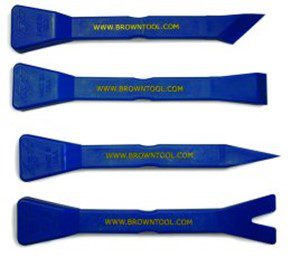 Celcon® plastic scraper blades are currently approved by several MROs and are made of semi-crystalline thermoplastics that offer high tensile strength, stiffness, and toughness and may retain a sharp edge. They are resistant to hot water and some solvents and are useful for sealant application, removal, and paint removal. They are not, however, useful with newer aviation adhesives, or high-heat applications as they melt easily. Celcon® dust may cause irritation in the upper respiratory tract when used at normal processing temperatures.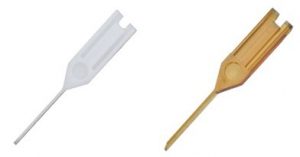
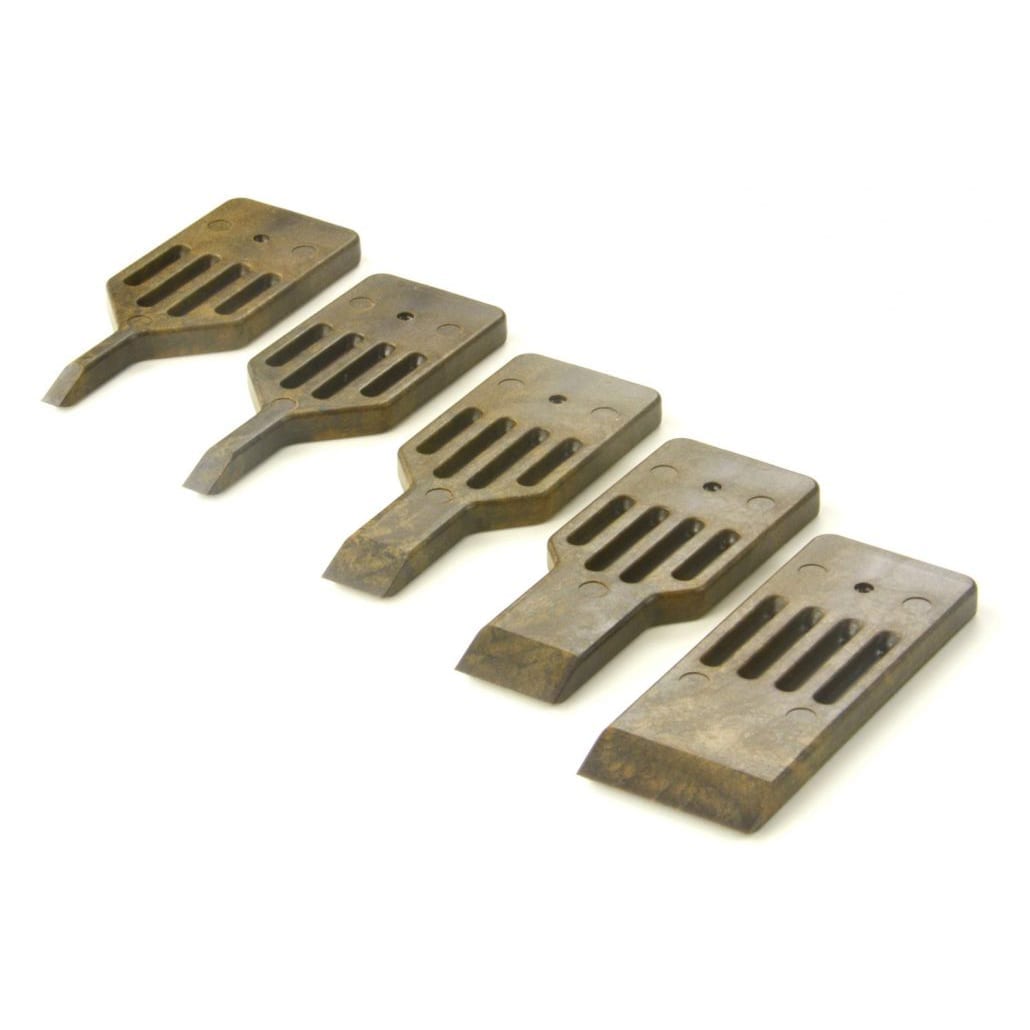 Torlon® scraper blades hold a superior edge, remove unwanted materials, and protect the underlying substrates. Torlon® is a non-marring, high-strength, high-temperature polymer and is cured to produce a thermoset polymer. As a thermoset, it is resharpenable, lightweight, chemically resistant, and safe for people under normal conditions.
 Strong, lightweight plastics enable us to live better while contributing to sustainability in many ways—all which stem from plastics’ ability to help us do more with less.