Plastic injection molding continues to become more and more sophisticated with part tolerances becoming tighter and tighter. Initially, tight tolerance was defined as +/-.002 inches and a very tight tolerance is +/-.001 inches. But today there are many factors that impact tight tolerance including part complexity and size, resin selection, tooling, and process conditions. So, getting the mold, part design, material selection and process correct is crucial when working with a product that requires tight tolerances.
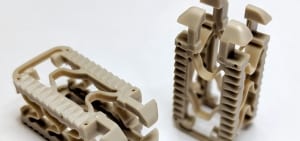
Tight tolerances are essential when manufacturing complex parts, especially in the aerospace & defense, medical & life sciences, and diversified industrial sectors. A few thousandths of an inch can be the difference between a component that fits and one that does not – if tight tolerances are not achieved properly the resulting products may underperform. So, it is critical that clients understand tight tolerances and their underlying objectives. Performance Plastics has parts in production that are +/-.0004 inches. Parts are measured in their Metrology lab with a CT Scanner.
Benefits of Tight Tolerances
There are many benefits to manufacturing parts with tight tolerances. It ensures that parts work together smoothly and fit as intended in their final form; parts mesh well and deliver enhanced functionality. They produce lower failure rates and result in higher client satisfaction. Tight tolerances can also result in fewer post-molding processing requirements. Additionally, tight tolerances allow for parts to be transitioned from metal to plastic, reducing overall weight and cost of the final product. This can be very advantageous in some industries, such as aerospace and defense.
Design for Tight Tolerances
Not every plastic injection molding project requires tight tolerances, and some organizations insist on tight tolerances for non-critical features. Tight tolerance should only be required in instances where they are critical. Many products require standard tolerancing because the consequences of failure are low. As a general rule, designers should keep tolerances as large as possible while maintaining the desired functionality of the part.
Materials for Tight Tolerances
Additionally, material selection is a critical element in achieving tight tolerances. Certain resins perform better under certain circumstances. An experienced design engineer can guide a client in choosing the most affordable material that will deliver the best result. So, it’s critical to bring in an experienced team early in the design process.
By engaging a production team during the design phase, part functionality, material selection and design can be discussed upfront, and the team can jointly develop a manufacturing process and correct materials that will produce high-precision components. It is crucial for organizations to partner with an experienced injection molder, who has expertise; the design and manufacturing teams should be integrated to allow manufacturability issues to be identified and addressed during the design process – thus saving significant time and unnecessary cost.
Establishing the right process and correct materials for each product and developing repeatability are key to manufacturing tight tolerance parts. While every application is different, there are some process and material conditions that impact tolerances. For example, quick cavity filling and uniform cooling at the desired temperature are conditions that are crucial to achieving repeatability, and thus, parts with tight tolerances.
Performance Plastics is highly skilled at designing and molding using high performance materials such as PEI-Ultem®, PAI-Torlon®, Ryton® PPS Plastic, PEEK, and Fluoropolymers such as FEP, PFA, and PVDF. We work with our customers to solve technically challenging problems. We can propose materials to implement part functionality in the design stage of development. We offer manufacturing solutions such as a clean room, the ability to offer direct gating of fluoropolymers, high volume production, visual inspection, and automated facilities.
For more information and solutions, please contact Rich Reed, Vice President of Sales & Marketing at 513-321-8404 or email [email protected]
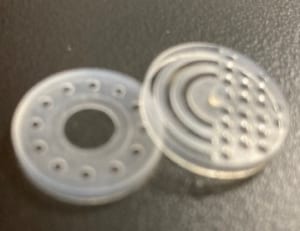 The Lithium Ion Battery industry has begun using more and more plastic parts in their manufacturing processes. Most batteries intended for light vehicle usage now have 50% more plastic materials than they did even 10 years ago. Some batteries have entirely plastic formulations ranging from the electrolyte (polymeric electrolytes) to the casing. This is due to the very low weight of plastics as compared to metals. Plastic incorporation in batteries increases the electrolyte efficiency if used in polymeric electrolytes.
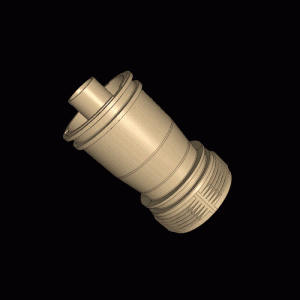 Every project has its own needs and goals. Complex geometries involving fine details or sharp corners often cannot be achieved by traditional plastic molding. Advanced plastic injection molding processes allow designers to combine numerous complex features into a single component, reducing the need for secondary machining or surface finishing operations.
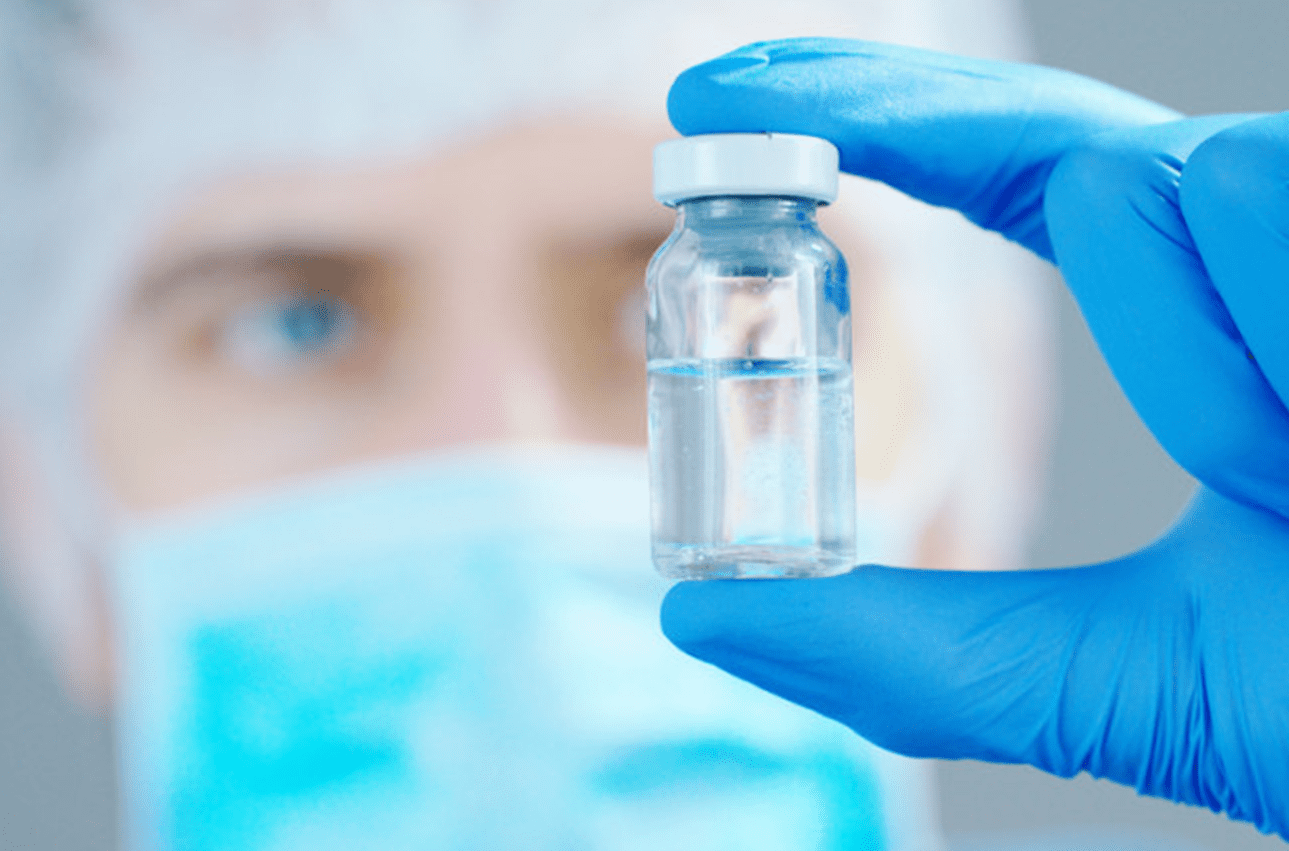 The shortage in glass has been an ongoing issue. This year with restaurants and bars being closed we have seen a greater shortage in the glass industry. The collection of wine and beer bottles from restaurants contributes to a large volume of recycled glass needed to meet demands. The glass shortage affects all industries that rely on glass for their containers, but right now the medical field is in dire need of glass for vials.
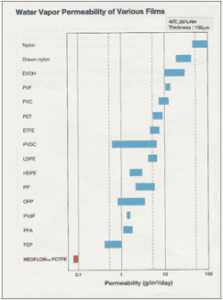
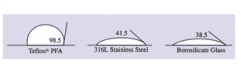
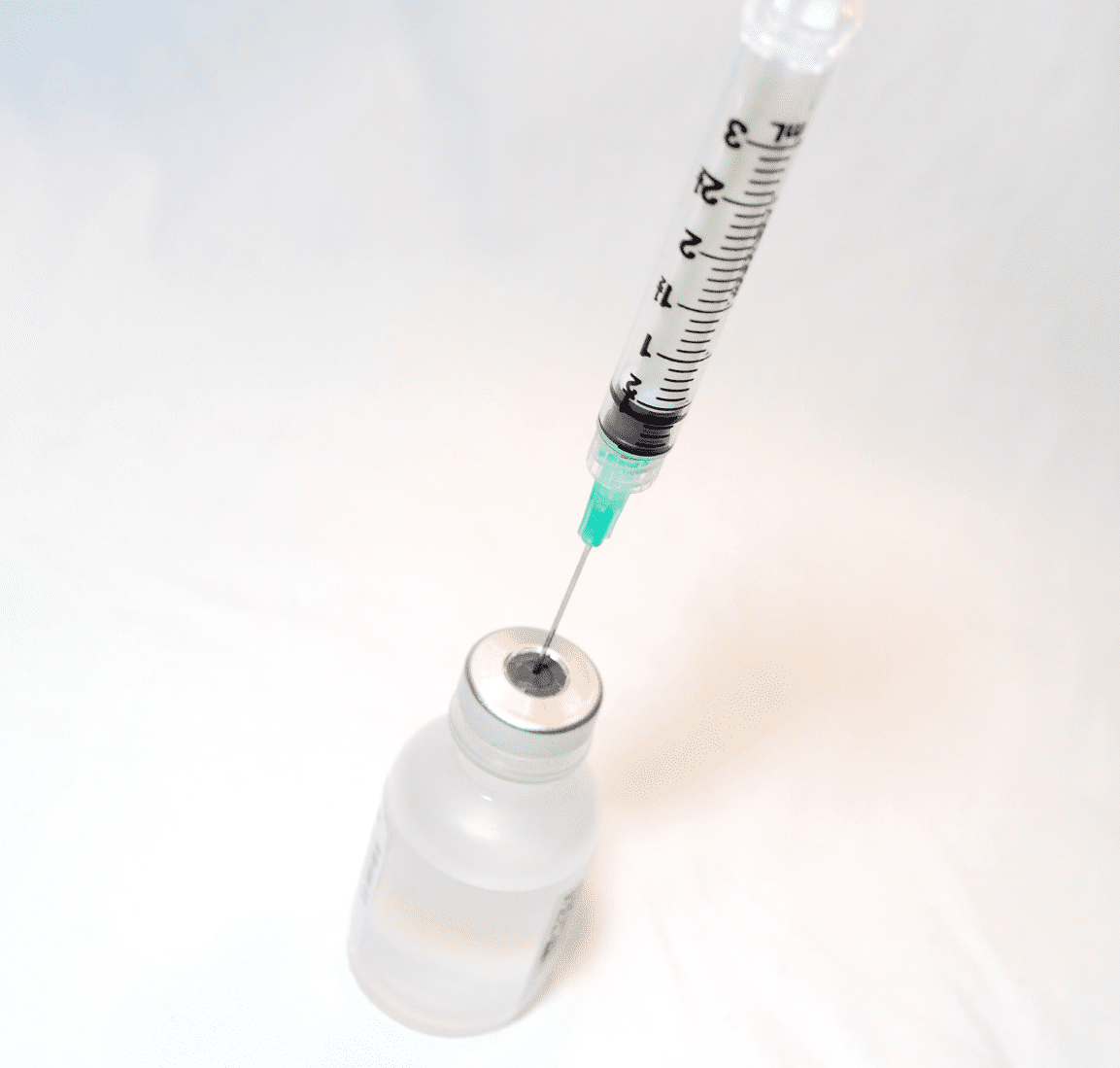 stick, ensuring product does not adsorb to surfaces. They are also virtually impervious to chemical, enzyme and microbiological attack. All the benefits of FEP, PFA, and PCTFE make these fluoropolymers a perfect material to create vials out of, especially since they are injection moldable.
 Covid-19 has impacted our world in more ways than one. The ability to keep your office, workspace, and your whole environment sanitized has increased greatly. The use of cleaning supplies for sanitation increases depending on the type of surface that you are sanitizing. Some surfaces are more porous than others needing to be sanitized more often to maintain a clean environment. At Performance Plastics, we deal with different types of plastics every day, making us experts in various materials that excel in a clean environment.